 Image 1 of 1
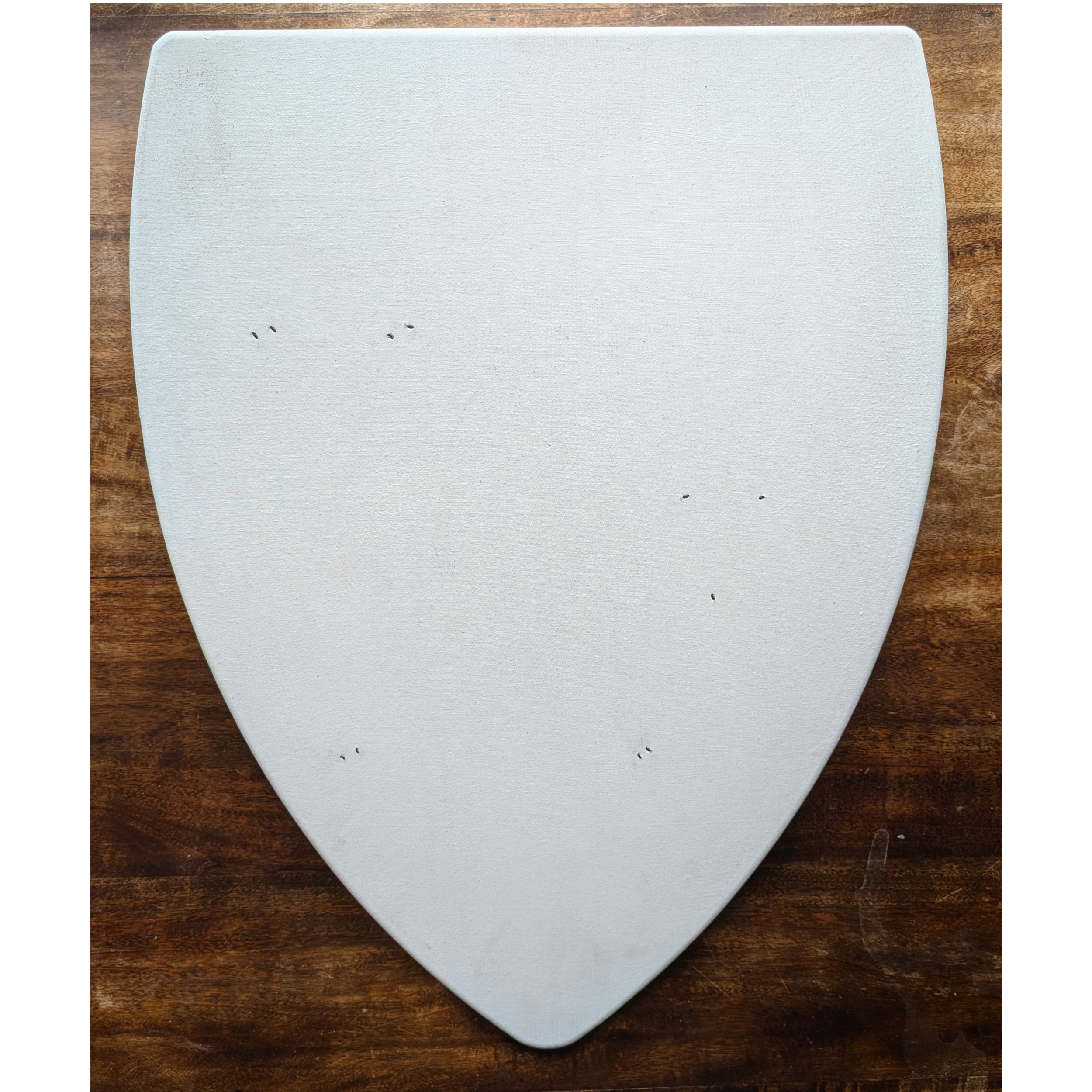
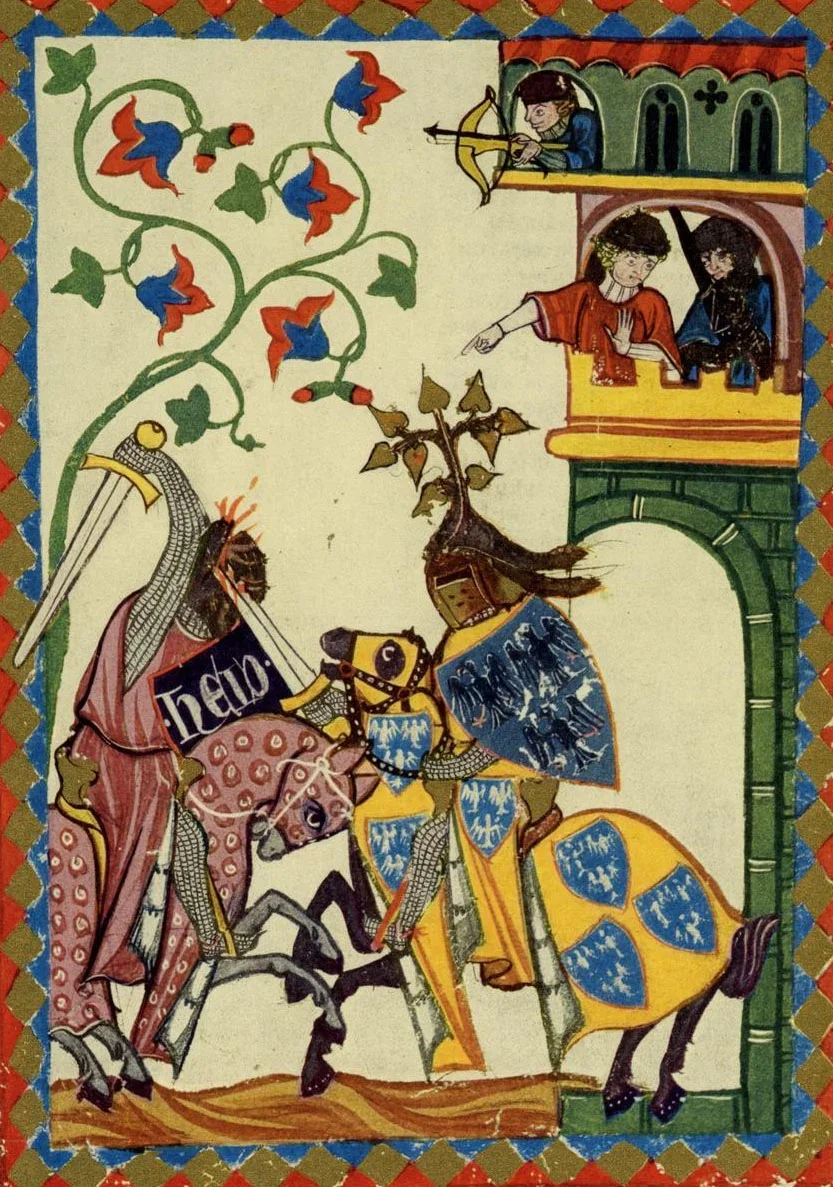
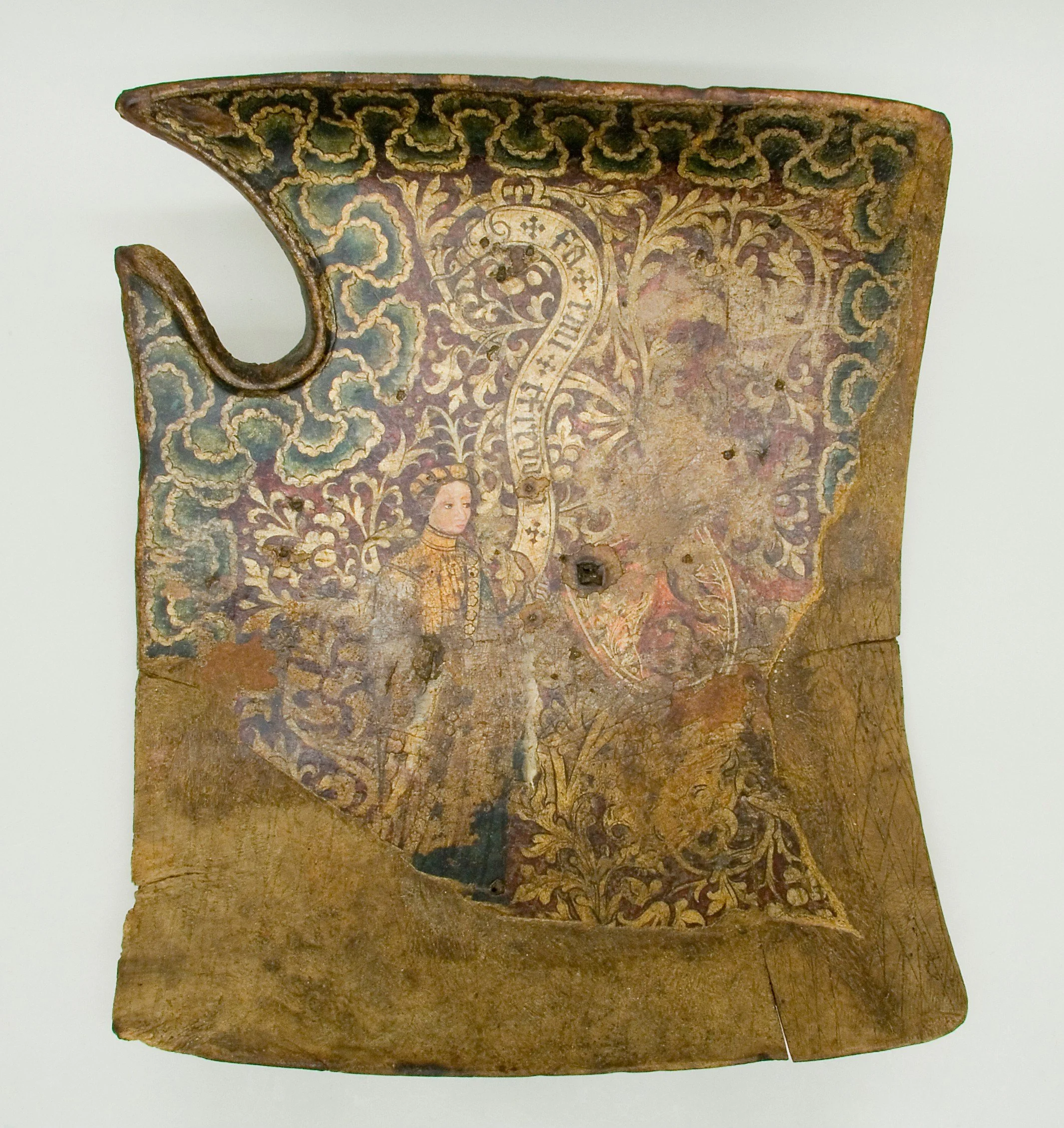
This targe (or tartschen in German, also called ecranches) is based on an example in the Metropolitan Museum. While many different examples exist showing a wide variety of straps and overall shapes, this a simpler shape and a great starting shield. Seen through the late 15th and into the 16th century, these were very common on the lists during a joust, but are also well suited to foot combat.
This shield is available in a light and heavy model. The former is suitable for foot combat having a 10mm base, and the latter being a 15mm base and will better cope with heavier impacts.
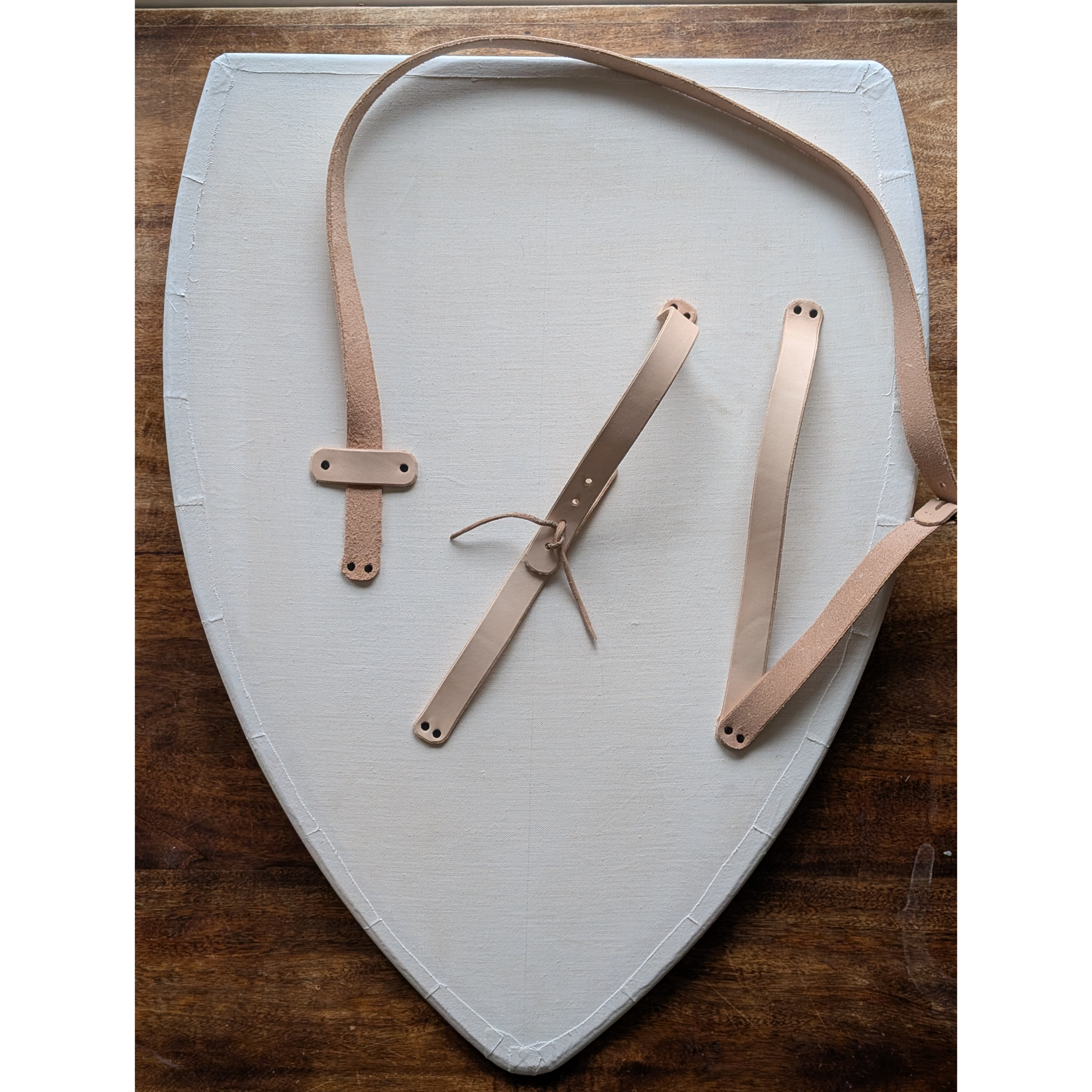
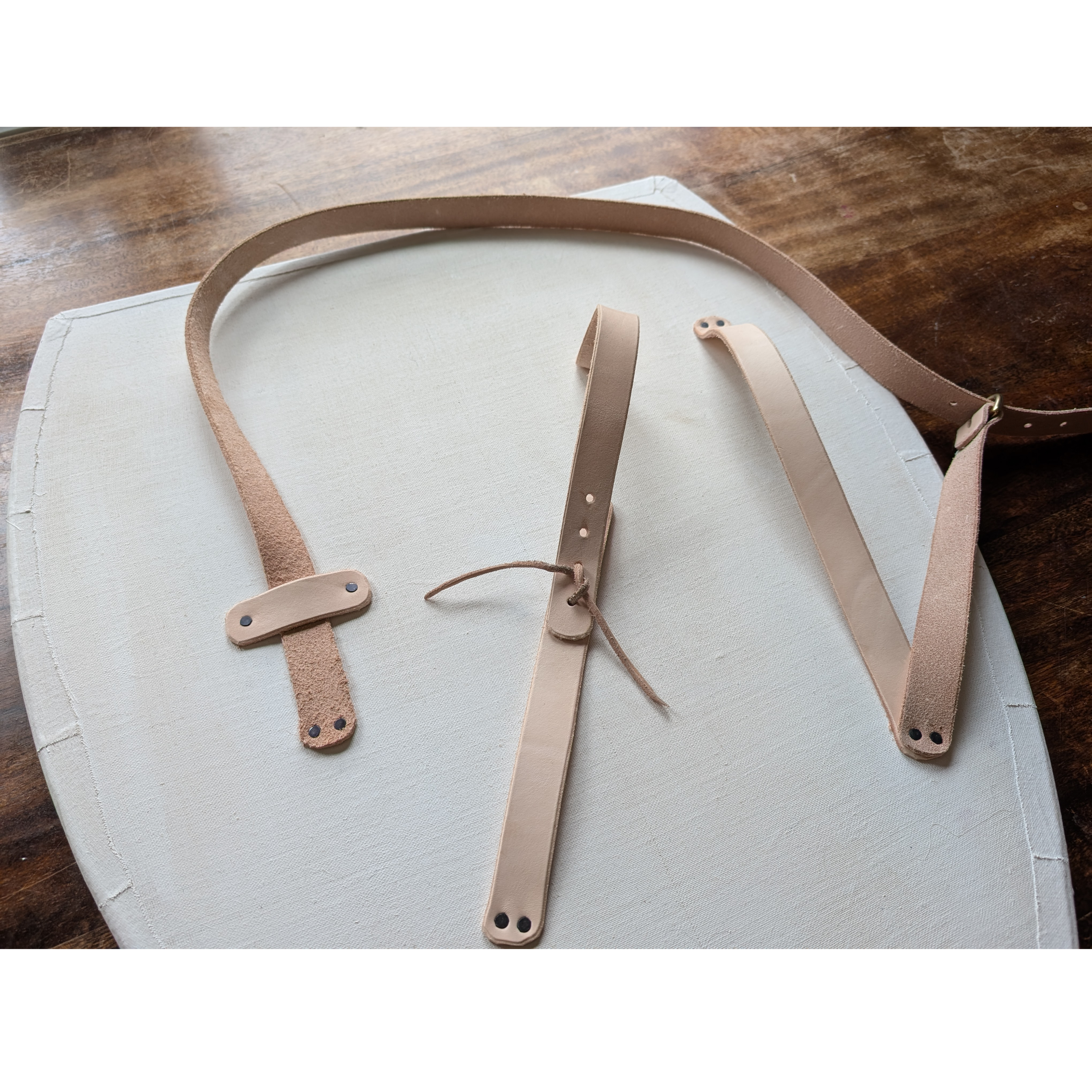
As all of my shields, the construction is all done by hand, the laminated ply base has been pressed into shape and reinforced with clinched nails. The shield is faced and backed with linen and covered in gesso ready for painting. Straps are cut from 3-4mm leather and fastened with clinched nails and washers.
Note that many historic shields were covered with thin rawhide/parchment, not fabric. However, this would be significantly more expensive, so as standard I use fabric (which is still historic). If you would like a higher end parchment backed and faced shield, please do get in touch.
Statistics:
Height - cm
Width - cm
Depth - cm
Weight -